
Blog
FHIR in practice.
Practical guides, product updates and lessons from building Records.
Latest articles
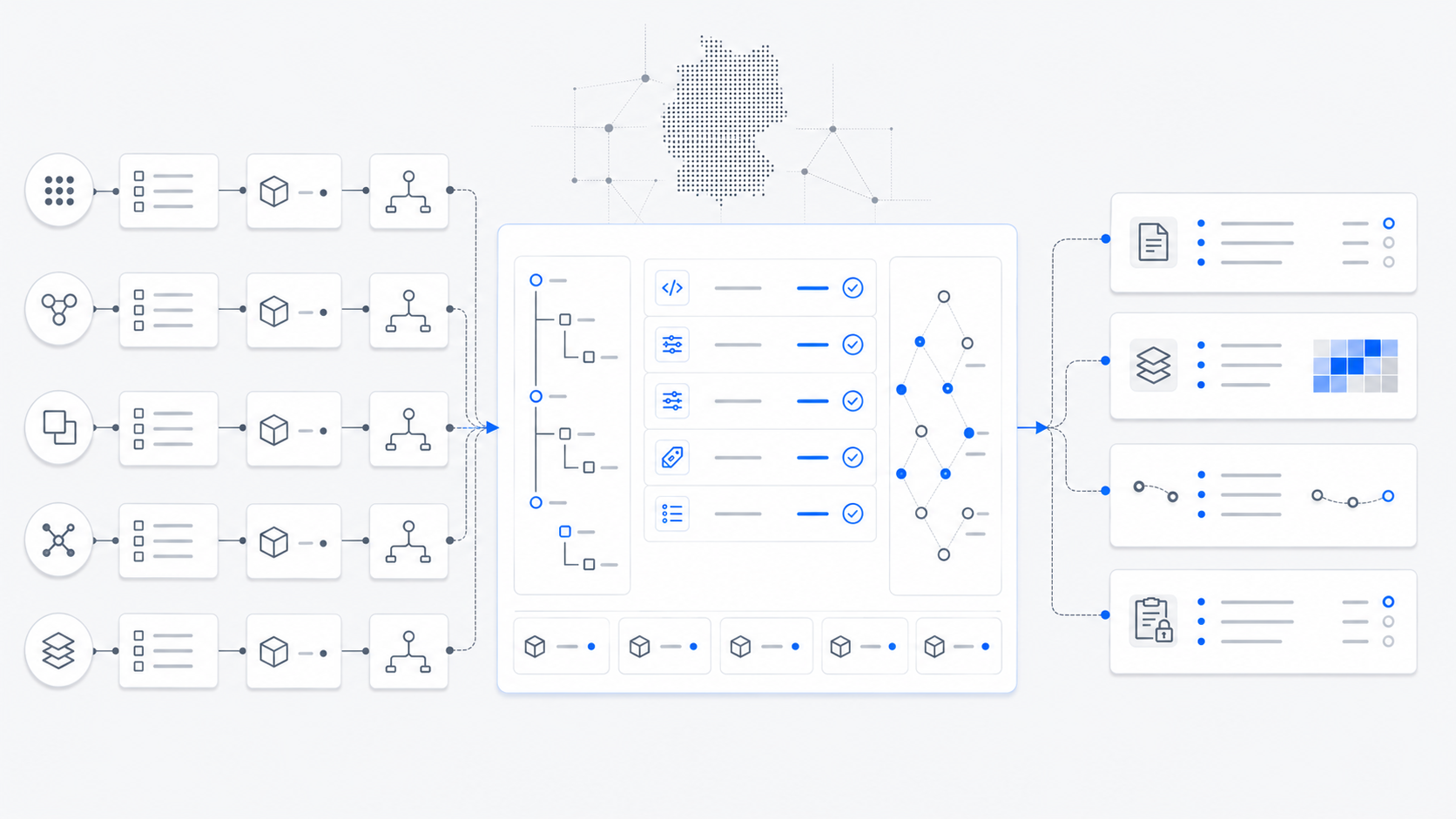
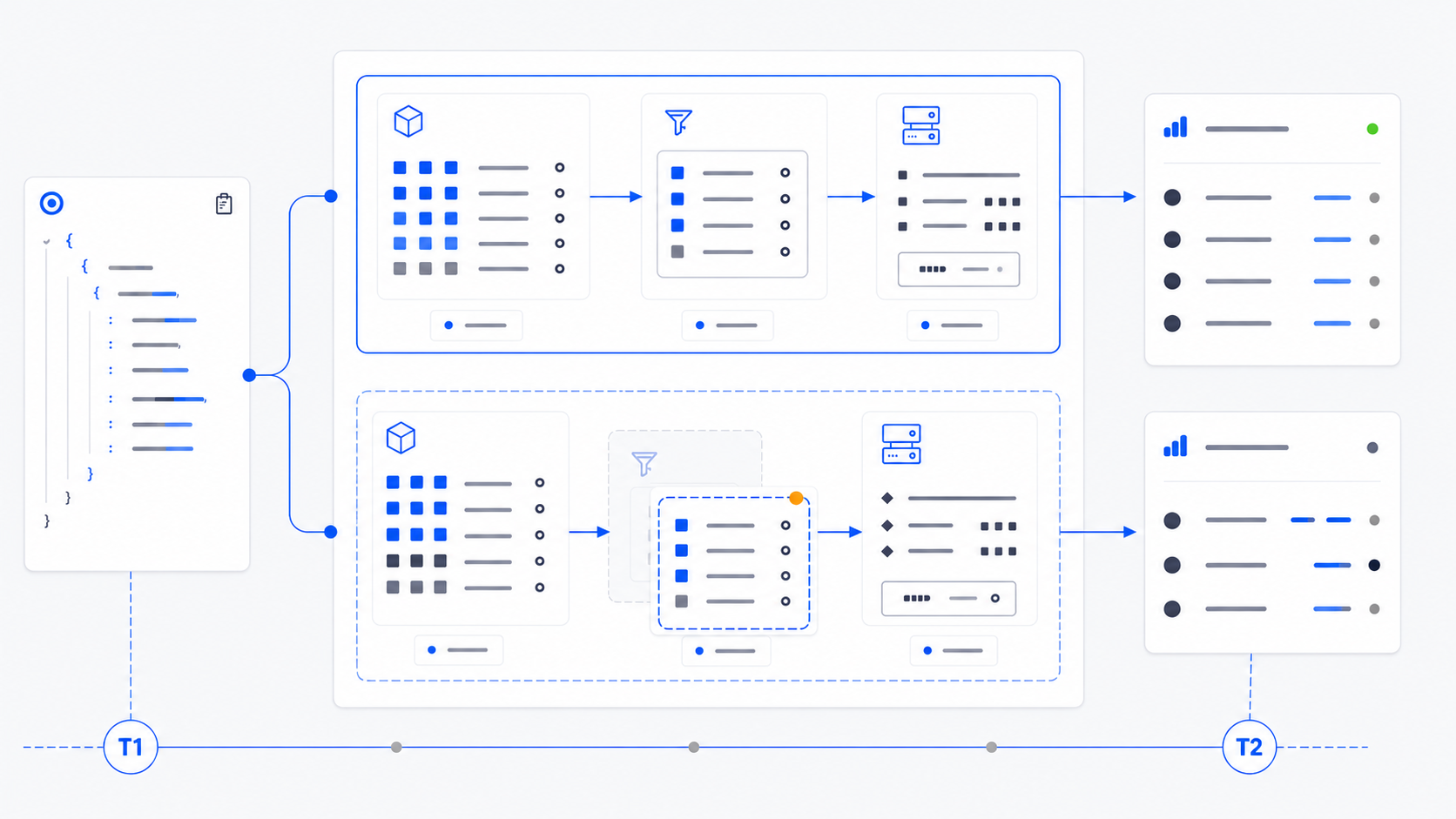
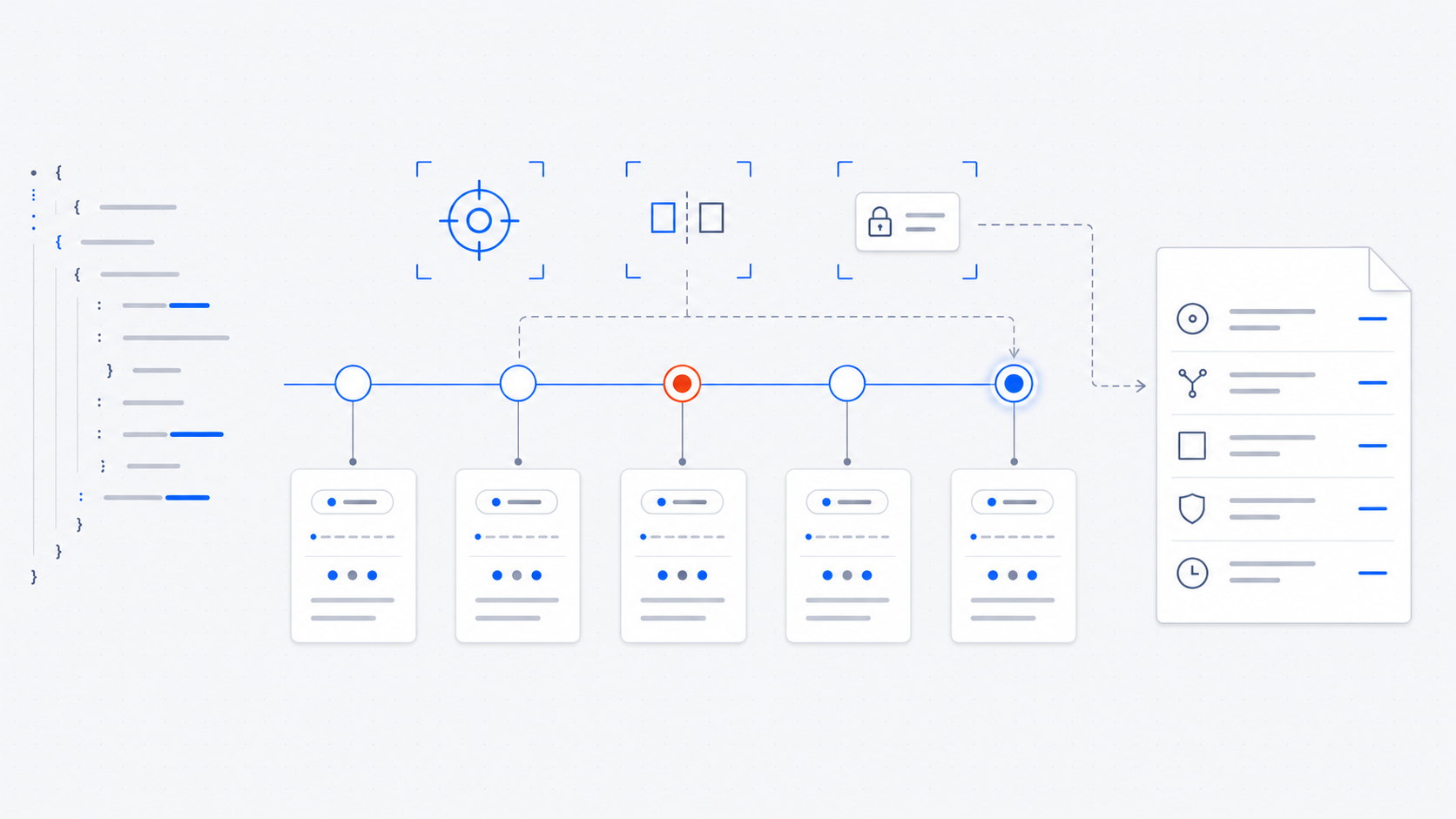
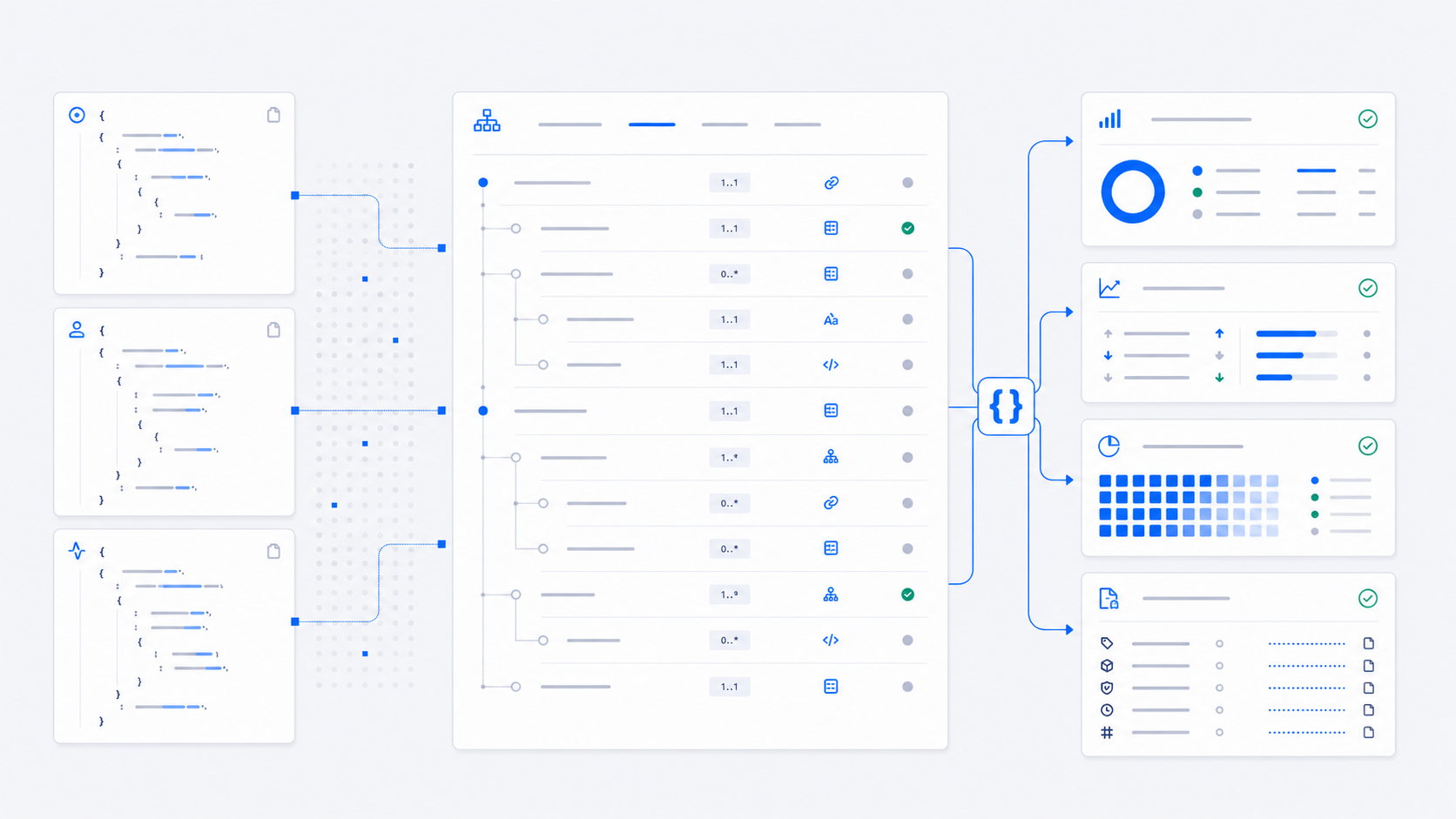
Explore by topic
Suggested reading orders for a closer look at operations, implementation and the German FHIR landscape.
FHIR operations
Understand findings, changing terminology and recurring checks.
- Three Questions Every FHIR Team Should Be Able to Answer
- FHIR Terminology Drift: Explain What Changed
- Beyond the Fixture Gate: FHIR Validation in Operation
Developer workflows
Build validation into CI and AI-assisted development.
- How to Add a FHIR Validation Gate to GitHub Actions
- Claude Should Not Guess FHIR: Validation Guardrails for AI-Assisted Development
FHIR in Germany
Understand ISiK, ePA and the German FHIR landscape.
- The German FHIR Landscape: ISiK, MII, gematik, and Why It's More Complex Than It Looks
- ISiK: What Confirmation Covers and How Teams Check Changes
- ePA für alle: What Germany's National Health Record Means for Your FHIR Data
Records
Turn FHIR validation into operational evidence.
Records supports recurring checks of a selected FHIR scope, compatible run comparisons, and recorded findings for release and handover decisions.